

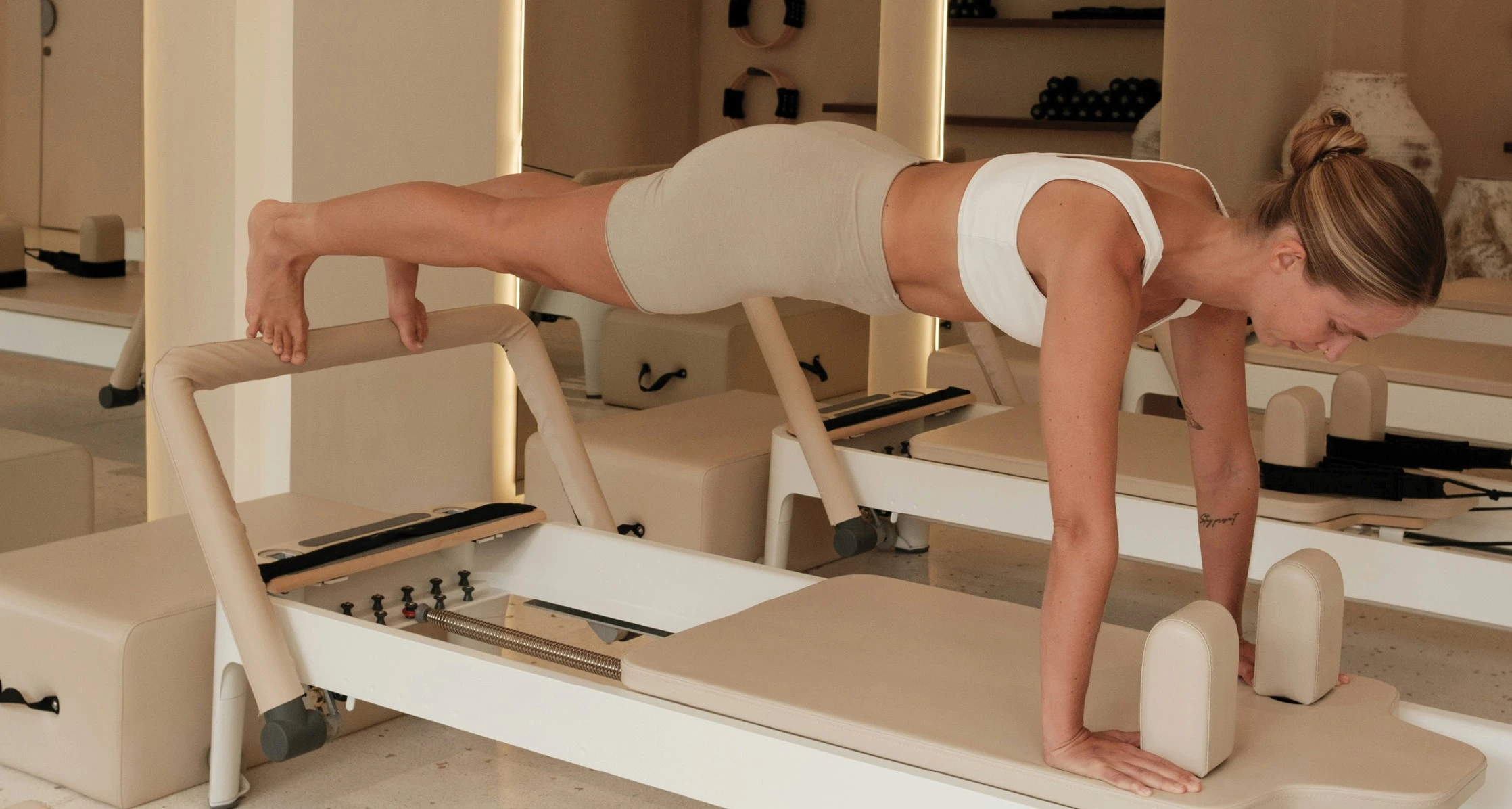
First Pilates Class Expectations
Your heart’s racing a little as you step onto the mat or the reformer for the first time, wondering if you’re about to embarrass yourself in front of a room full of strangers who all seem to already know what a “hundred” is.
Here’s the truth: nobody expects you to nail Pilates on day one, and the instructors who teach it know that better than anyone. Every single person in that room was once standing exactly where you are right now, unsure of their footing and hoping they wouldn’t topple over during the first stretch. If you’re looking for a studio that specializes in walking beginners through that exact moment with patience and clear instruction, Evolve Fitness Studios builds its entire beginner program around making that first class feel approachable rather than intimidating.
Key Takeaways
· Your first Pilates session should focus on learning proper form and control, not burning calories or losing weight fast.
· Beginner classes and private lessons give you the best foundation before moving into intermediate work.
· Expect hands-on corrections and modifications in a studio setting — this is normal and part of how you improve.
· Studios design beginner-friendly classes specifically to ease new students into proper technique.
· Stick around to find out why even people with strong abs still struggle with their first few sessions (it’s not what you’d expect).
Why Your First Class Will Feel Harder Than It Looks
Watching a Pilates class from the outside can be deceiving. The movements look slow, controlled, almost gentle. Then you try the “roll-up” yourself and suddenly your abs are shaking in ways they’ve never shaken before.
This happens because Pilates isolates small stabilizer muscles that everyday activities rarely touch. Your body might be strong in other ways, but these specific muscle groups need their own training. That disconnect between what you see and what you feel is one of the most common surprises beginners report.
It’s also why so many people underestimate their first session, walking in expecting an easy warm-up and walking out sore in places they didn’t know existed.
One Reddit user new to the practice described expecting their core strength from other workouts to carry over, only to find intermediate Pilates moves “significantly more difficult” than anticipated – a reminder that Pilates strength is its own category entirely.

The Real Goal: Control and Strength, Not Weight Loss
If you’re walking into class hoping to torch 500 calories, you might leave disappointed. Pilates isn’t built around that kind of metric. Instead, it trains your body to move with intention, building strength from the inside out through controlled, repeatable movement patterns.
That shift in mindset matters. Once you stop measuring success by sweat or soreness alone and start noticing how much steadier you feel standing up or reaching overhead, the practice starts to click in a completely different way.
How to Pick the Right First Class
Not all Pilates classes are created equal, and choosing the wrong one can set you up for frustration before you’ve even had a chance to enjoy the practice. The format, the instructor, and the class level all play a role in how smooth your first experience feels.
Getting this part right makes a bigger difference than most beginners realize.
Start With a True Beginner Class, Not Intermediate
It sounds obvious, but plenty of newcomers accidentally sign up for intermediate or mixed-level sessions because the schedule made it convenient. Resist that temptation. Beginner classes exist specifically to teach foundational moves like the hundred, the roll-up, and basic breathing patterns before layering on complexity.
Skipping that foundation often means spending the whole class confused about positioning instead of actually building strength.
Why In-Person Beats Online for Your First Time
YouTube videos and app-based workouts have their place, but your very first Pilates experience benefits enormously from having a real person in the room. An instructor can see when your hips are tilting the wrong way or when your shoulders are creeping up toward your ears — adjustments that are nearly impossible to catch on your own through a screen. For more tips, you might want to check out beginner tips on Pilates.
That kind of real-time feedback speeds up learning dramatically compared to self-guided practice.
Should You Book a Private Lesson First?
If it’s within your budget, a single private session before joining group classes can be a smart move. A one-on-one lesson means the instructor’s full attention is on your form, your breathing, and your specific limitations, giving you a stronger starting point before you’re surrounded by other students.
At Evolve Fitness Studios, it’s a requirement to do 3 one-on-one private sessions to introduce you to the apparatus, so that you’ll feel comfortable with it before starting classes. We offer a steep discount on a 3 session package to members who want to take our Pilates and CoreAlign classes.
What to Expect From an In-Studio Experience
Once you’ve chosen the right class format, it helps to know what the actual experience looks like once you walk through the studio door.
Hands-On Corrections From Your Instructor
One of the biggest advantages of an in-person class is the physical cueing you simply can’t get from a video. Your instructor might gently press on your lower back to remind you to keep it pressed into the mat, or tap your shoulder to signal you’re shrugging during an exercise. These small touches communicate corrections faster than words ever could. If you’re a beginner in Pilates, these hands-on corrections can be invaluable for ensuring proper form and technique.
Over time, this hands-on feedback trains your body to recognize proper alignment even when the instructor isn’t right next to you, which is exactly the kind of muscle memory Pilates is built on.
Modifications Made Just for Your Body
Good instructors don’t expect every student to perform an exercise identically. If you have tight hamstrings, a cranky lower back, or limited shoulder mobility, there’s almost always a modified version of the move waiting for you. Speak up if something feels wrong or painful — modifications exist precisely so beginners can build strength safely instead of pushing through bad form.
5 Tips to Survive (and Love) Your First Class
Walking in prepared makes a bigger difference than most people expect. These five strategies come straight from what actually works for beginners navigating that nerve-wracking first session.
None of these require advanced fitness knowledge – just a willingness to slow down and trust the process.
1. Move Slowly and With Purpose
Rushing through Pilates defeats the entire point. The practice rewards control over speed, so resist the urge to blast through each repetition just to keep up with the group.
Taking your time with each movement, even if it means falling slightly behind the rest of the class, builds far more strength than speeding through with sloppy form.
2. Start Small and Build From There
Going all-in on your first day, hoping to master every move in one sitting, usually backfires. Instead, focus on a handful of fundamentals and let your body adapt gradually.
· Master basic breathing patterns before worrying about perfect leg positioning
· Learn the hundred and roll-up before attempting more advanced sequences
· Repeat beginner classes multiple times before moving up a level
This incremental approach feels slower in the moment, but it builds a much sturdier foundation than rushing ahead.
Beginners who try to match intermediate-level students too soon often end up frustrated, sore in the wrong ways, and more likely to quit altogether. Patience here pays off.
3. Don’t Compare Your Core Strength to the Exercises
You might run five miles a day or hold a plank for two minutes straight, and none of that will fully prepare you for your first Pilates class. The muscles targeted in this practice are often smaller, deeper stabilizers that general fitness routines don’t always reach.
Letting go of the expectation that your existing strength should translate directly into Pilates success will save you a lot of unnecessary frustration during those early sessions.
4. Treat Pilates as a Lifelong Practice, Not a Quick Fix
Pilates isn’t a thirty-day challenge with a dramatic before-and-after photo at the end. It’s a practice that rewards consistency over months and years, gradually improving posture, flexibility, and core strength the longer you stick with it.
5. Use a Beginner Mat Challenge to Ease In
Structured programs like Lesley Logan’s 4-week mat challenge give beginners a guided path into the full Pilates order without overwhelming them on day one. Programs like this introduce exercises gradually, building confidence before layering on complexity.
Following a structured challenge also takes the guesswork out of what to practice between classes, which can make the difference between feeling lost and feeling like you’re making real progress.
Common Struggles Every Beginner Faces
Nearly every new Pilates student hits the same wall at some point: intermediate exercises feel dramatically harder than they looked from the sidelines, and that gap between expectation and reality can be discouraging if you don’t know it’s completely normal.
Why Intermediate Moves Feel Impossible at First
There’s a reason this gap feels so jarring. Intermediate Pilates sequences often remove the small assists and modifications beginners rely on, like a bent knee during a roll-up or a shortened range of motion on leg circles. Without those training wheels, the real demand on your core, hip flexors, and spine becomes obvious fast. This isn’t a sign you’re doing something wrong; it’s simply proof that your body hasn’t built the specific endurance those movements require yet.
Fighting Through Early Form Mistakes
Early mistakes are part of the deal, and they usually show up in predictable places. Shoulders creep up toward the ears during abdominal work. The lower back arches off the mat instead of staying pressed flat. Breathing gets held instead of flowing with the movement.
None of this means you’re failing. It means your nervous system is still learning a completely new movements, one that takes weeks of repetition to feel natural.
The fastest way through these mistakes isn’t forcing harder effort – it’s slowing down enough to actually feel where your body is compensating, then correcting it rep by rep.
Beginners who’ve worked through this stage often say the biggest shift wasn’t physical strength at all, but learning to actually feel which muscles should be working during each move – something that usually takes four to six consistent sessions to start clicking.
Your First Step Starts Today
Every Pilates instructor, every studio regular, every person who now moves through a hundred without shaking was once a nervous beginner standing exactly where you are. The gap between that first awkward class and feeling confident on the mat closes faster than most people expect, usually within four to six consistent sessions.
The hardest part isn’t the exercises themselves – it’s simply showing up for that first class. Once that’s behind you, everything else is just practice.
Frequently Asked Questions
These are the questions beginners ask most often before, during, and after their first class.
Is It Normal to Feel Sore After My First Pilates Class?
· Soreness in the abs, lower back, and inner thighs is common within 24-48 hours
· This usually fades within a few days as your body adapts
· Mild soreness is normal; sharp or joint pain is not
Yes, and in most cases that soreness is a good sign. It usually means you activated stabilizer muscles that don’t get much attention in everyday movement or other workouts.
If the soreness feels unusually sharp or centers around a joint rather than a muscle, that’s worth mentioning to your instructor before your next class.
Otherwise, expect that familiar “I didn’t know I had muscles there” feeling to show up the next morning – it’s part of the process.
How Many Beginner Classes Should I Take Before Moving Up?
There’s no universal number, but many instructors recommend sticking with beginner classes for at least four to eight sessions before attempting intermediate work. The goal is comfort with core exercises like the hundred, roll-up, and basic breathing patterns – once those feel familiar rather than confusing, you’re likely ready to progress.
What Should I Wear to My First Pilates Class?
Fitted, stretchy clothing works best since loose fabric can get in the way during floor work or reformer exercises. Grip socks are often required or recommended at studios using reformers, since bare feet or regular socks can slip on the equipment.
Can I Do Pilates If I Have Low Core Strength?
Absolutely. In fact, that’s exactly who beginner classes are designed for. Pilates builds core strength progressively, starting with modified versions of exercises that let you build capacity over time rather than requiring it upfront.
How Long Until I See Results From Pilates?
Most beginners start noticing improved posture and body awareness within two to four weeks of consistent practice, usually two to three sessions per week. Visible changes in strength and flexibility tend to show up around the eight-week mark for people who stick with it regularly.
Results compound the longer you practice, which is part of why Pilates works best as an ongoing habit rather than a short-term fix.
Patience during those first few weeks pays off far more than pushing too hard too soon ever will.
Call our Pilates Studio today, we’d love to see you

Mary Staszak
Owner, Pilates and CoreAlign Instructor
(541) 844-1295
info@evolvefitstudios.com
